Ever stepped into a car on a scorching summer day and felt like you were entering an oven? Or noticed how the sunlight streaming through your office windows makes your workspace unbearably hot? These common frustrations have a surprisingly elegant solution that’s been around for decades yet continues to evolve with new technology. Window tinting isn’t just about aesthetics or privacy anymore; it’s become a crucial tool for managing heat and protecting against harmful ultraviolet radiation in both vehicles and buildings. Black Bear Protective Films has witnessed firsthand how proper Window Tinting Services transform uncomfortable, heat-saturated spaces into cool, protected environments. The science behind this transformation involves sophisticated materials and engineering that work invisibly to create tangible comfort improvements.
Understanding how window tinting achieves these remarkable results requires looking beyond the surface. Modern window films are engineered with multiple layers of advanced materials that interact with sunlight in specific ways. Black Bear Protective Films specializes in explaining these mechanisms to clients, helping them appreciate why quality window tinting represents such a valuable investment. When sunlight hits untreated glass, most of its energy passes directly through, heating everything inside. Tinted windows, however, intercept this energy through various technologies, reflecting or absorbing it before it can raise interior temperatures or cause damage. This comprehensive guide explores exactly how window tinting reduces heat and UV exposure, the science behind the technology, and the practical benefits you can expect in real-world applications.
The Science Behind Window Tinting Technology
Window tinting works by modifying how glass interacts with the solar spectrum, which consists of visible light, ultraviolet radiation, and infrared energy. Each component of sunlight affects your vehicle or building differently. Visible light allows you to see through windows but can cause glare. Ultraviolet rays damage skin, fade materials, and contribute to health issues. Infrared radiation is the primary source of heat that makes interiors uncomfortably warm. Quality window films are specifically designed to manage each of these components differently, blocking harmful elements while allowing beneficial visible light to pass through in controlled amounts.
Solar Spectrum Explained
The sun’s energy reaching Earth consists of approximately 3% ultraviolet light, 44% visible light, and 53% infrared radiation. UV radiation, though representing a small percentage, causes disproportionate damage to human skin and interior materials. Infrared energy, while invisible to our eyes, we feel as heat and is responsible for the uncomfortable temperature increases inside vehicles and buildings. Visible light allows us to see but can create glare issues when excessive. Understanding this breakdown helps explain why effective window tinting must address multiple wavelengths simultaneously rather than simply darkening glass.
Film Construction Layers
Modern window tinting films consist of multiple precisely engineered layers working together to achieve comprehensive protection. The adhesive layer bonds the film permanently to glass surfaces without bubbling or peeling. Dye, metal, carbon, or ceramic layers block or reflect specific wavelengths of solar energy. A scratch-resistant coating protects the film’s exterior from damage and wear. Some advanced films incorporate dozens of micro-thin layers that create interference patterns, selectively blocking infrared radiation while allowing visible light transmission. This sophisticated construction explains why premium films outperform basic alternatives substantially.
How Window Tinting Blocks Harmful UV Radiation
Ultraviolet radiation poses serious risks to both human health and material integrity, making UV blocking one of window tinting’s most critical functions. Quality films block up to 99% of harmful UV rays, providing protection comparable to high-SPF sunscreen for everyone inside vehicles or buildings. This protection operates continuously whenever sunlight contacts the tinted glass, creating a passive defense system that requires no effort or maintenance. Auto Window Tinting has become particularly important as research continues revealing the cumulative effects of UV exposure during daily commutes and travel.
Understanding UV Rays
Ultraviolet radiation divides into three categories: UVA, UVB, and UVC. UVC is absorbed by Earth’s atmosphere and doesn’t reach the surface. UVB causes sunburns and contributes to skin cancer but is partially blocked by untreated glass. UVA penetrates glass easily, causing long-term skin damage, premature aging, and increased cancer risk while also fading interior materials. Standard automotive and building glass blocks most UVB but allows significant UVA transmission. Window tinting films address this vulnerability by blocking both UVA and UVB radiation, providing comprehensive protection that standard glass cannot offer alone.
Health Protection Benefits
The health implications of UV protection extend beyond preventing sunburns during long drives. Dermatologists increasingly recognize that cumulative UV exposure through vehicle and building windows contributes significantly to skin cancer rates and premature aging. Window tinting creates a protective barrier that functions like invisible sunscreen, particularly valuable for people spending hours daily in vehicles or near windows. Children, elderly individuals, and those with photosensitive conditions benefit especially from this constant protection. The passive nature of this defense means no reapplication, no forgetting, and no gaps in coverage throughout daylight hours.
Heat Rejection Through Advanced Window Film Technology
Heat rejection represents the most immediately noticeable benefit of window tinting, transforming uncomfortably hot interiors into pleasantly cool spaces. Residential Window Tinting Services have gained popularity largely because of the dramatic temperature reductions homeowners experience. This cooling effect results from blocking infrared radiation before it converts to heat inside your space. Different film technologies achieve heat rejection through various mechanisms, with performance ranging from modest improvements with basic films to exceptional results with premium ceramic options.
Infrared Radiation Blocking
Infrared energy comprises more than half of solar radiation and is the primary heat source entering through windows. When infrared radiation passes through untreated glass, it heats objects and surfaces inside, which then warm the surrounding air. Window films intercept this process by reflecting or absorbing infrared energy before it enters. Metalized films reflect infrared radiation like mirrors, bouncing it back outside. Carbon and ceramic films absorb infrared wavelengths, preventing transmission while dissipating the energy harmlessly. Commercial Window Tinting Services often emphasize infrared blocking because reduced heat gain directly translates to lower cooling costs in office buildings and retail spaces.
Measurable Temperature Differences
The temperature reduction from quality window tinting is substantial and quantifiable rather than merely perceptual. Studies consistently show interior temperature reductions of 10 to 20 degrees Fahrenheit with effective films installed. Surface temperatures on dashboards, seats, and steering wheels decrease even more dramatically, sometimes by 30 to 40 degrees. These aren’t subtle improvements; they represent the difference between uncomfortably hot and pleasantly comfortable spaces. The cooling effect is immediately noticeable when entering a tinted vehicle on a hot day compared to an untinted one, and building occupants report increased comfort near windows after installation.
Energy Efficiency Benefits for Buildings and Vehicles
Beyond comfort improvements, heat rejection through window tinting delivers tangible economic and environmental benefits. Reduced heat gain means less demand on cooling systems, whether vehicle air conditioning or building HVAC equipment. This decreased workload translates directly into energy savings that accumulate continuously throughout warm weather. Black Bear Protective Films helps clients understand that window tinting isn’t merely an expense but an investment with measurable returns through reduced energy consumption.
Reduced Cooling Costs
Buildings lose significant amounts of conditioned air through windows, which represent the least insulated component of most structures. Window tinting dramatically improves thermal performance, reducing heat gain during summer and heat loss during winter. Energy savings of 15 to 30 percent on cooling costs are common in commercial buildings after professional installation. For vehicles, reduced air conditioning demand means better fuel efficiency and less strain on AC systems. Car Window Tinting can reduce fuel consumption measurably by decreasing the air conditioning load, with savings that accumulate over the vehicle’s lifetime offsetting the initial tinting investment.
Environmental Impact Reduction
The environmental benefits of reduced energy consumption extend beyond personal cost savings to broader ecological impacts. Lower electricity demand means reduced power plant emissions, contributing to cleaner air and reduced greenhouse gas production. For vehicles, improved fuel efficiency from decreased AC usage means fewer emissions per mile traveled. These individual improvements multiply across millions of tinted vehicles and buildings, creating cumulative environmental benefits. As energy costs rise and environmental concerns intensify, the sustainability aspects of window tinting become increasingly relevant factors in decision-making for both residential and commercial applications.
Protection Against Interior Fading and Damage
UV radiation and heat don’t just affect human comfort; they cause substantial damage to interior materials and furnishings. Fabrics, leather, wood, plastics, and artwork all deteriorate when exposed to prolonged sunlight. The fading you notice on vehicle seats or home furnishings results primarily from UV radiation breaking down molecular bonds in dyes and materials. Automotive Window Tinting protects these valuable components, preserving vehicle interiors and maintaining resale value over time.
Material Degradation Prevention
Different materials suffer specific types of damage from solar exposure. Fabrics and carpets fade as UV radiation destroys dye molecules, turning vibrant colors dull and lifeless. Leather dries out, cracks, and deteriorates when heated repeatedly by infrared radiation. Plastics become brittle and discolored from UV exposure. Wood furniture lightens unevenly where sunlight strikes it directly. Artwork and photographs fade irreversibly when UV rays break down pigments. Window tinting addresses all these problems simultaneously by blocking the UV radiation causing chemical degradation and the infrared heat accelerating damage processes.
Long-Term Value Maintenance
The protective benefits of window tinting accumulate significantly over years, preserving the condition and value of vehicles and building interiors. Vehicle interiors remain showroom-fresh longer, maintaining higher resale values when it’s time to sell. Home furnishings last years longer without requiring replacement due to sun damage. Commercial spaces maintain their professional appearance without frequent redecorating necessitated by faded furnishings. Black Bear Protective Films emphasizes to clients that window tinting protects investments far beyond the glass itself, safeguarding everything the sunlight would otherwise touch and damage inside.
Different Film Types and Their Performance
Not all window tinting films deliver equal heat rejection and UV protection, making it essential to understand performance differences between types. Film technology has evolved significantly, with newer materials like carbon and ceramic offering substantial advantages over earlier dyed and metalized options. The film type you select should match your specific priorities regarding heat rejection, UV protection, visibility, and budget considerations. UV Protective Tint Films vary dramatically in their effectiveness depending on their construction and materials used.
Performance Variation Analysis
Dyed films offer basic UV protection and modest heat rejection through absorption, typically blocking around 35 to 50 percent of heat. Metalized films improve performance significantly, reflecting 40 to 60 percent of heat with excellent UV blocking. Carbon films advance further, rejecting 40 to 70 percent of heat without signal interference. Ceramic films represent the pinnacle, blocking up to 80 percent of infrared heat and 99 percent of UV radiation while maintaining exceptional clarity. Vehicle Tinting performance depends entirely on which film category you choose, with premium options delivering dramatically superior results compared to economy alternatives.
Selecting Appropriate Films
Choosing the right film requires balancing performance needs against budget constraints while considering legal limitations and aesthetic preferences. Extremely hot climates justify premium ceramic films that offer maximum heat rejection. Moderate climates might find carbon films provide adequate performance at lower cost. Budget-conscious consumers might accept dyed film limitations for basic UV protection. Legal darkness restrictions in your area influence which films meet requirements while delivering desired performance. Auto Glass Tint selection should involve consulting with knowledgeable professionals who understand both the technologies and your specific circumstances.
Real-World Applications in Various Settings
Window tinting applications extend across diverse settings, each benefiting from heat and UV reduction in specific ways. Vehicles represent the most common application, but residential homes and commercial buildings increasingly utilize tinting technology for comfort and efficiency improvements. Understanding how tinting functions in different environments helps illustrate its versatility and broad applicability. Black Bear Protective Films works across all these applications, bringing specialized knowledge to each unique situation.
Automotive Applications Explained
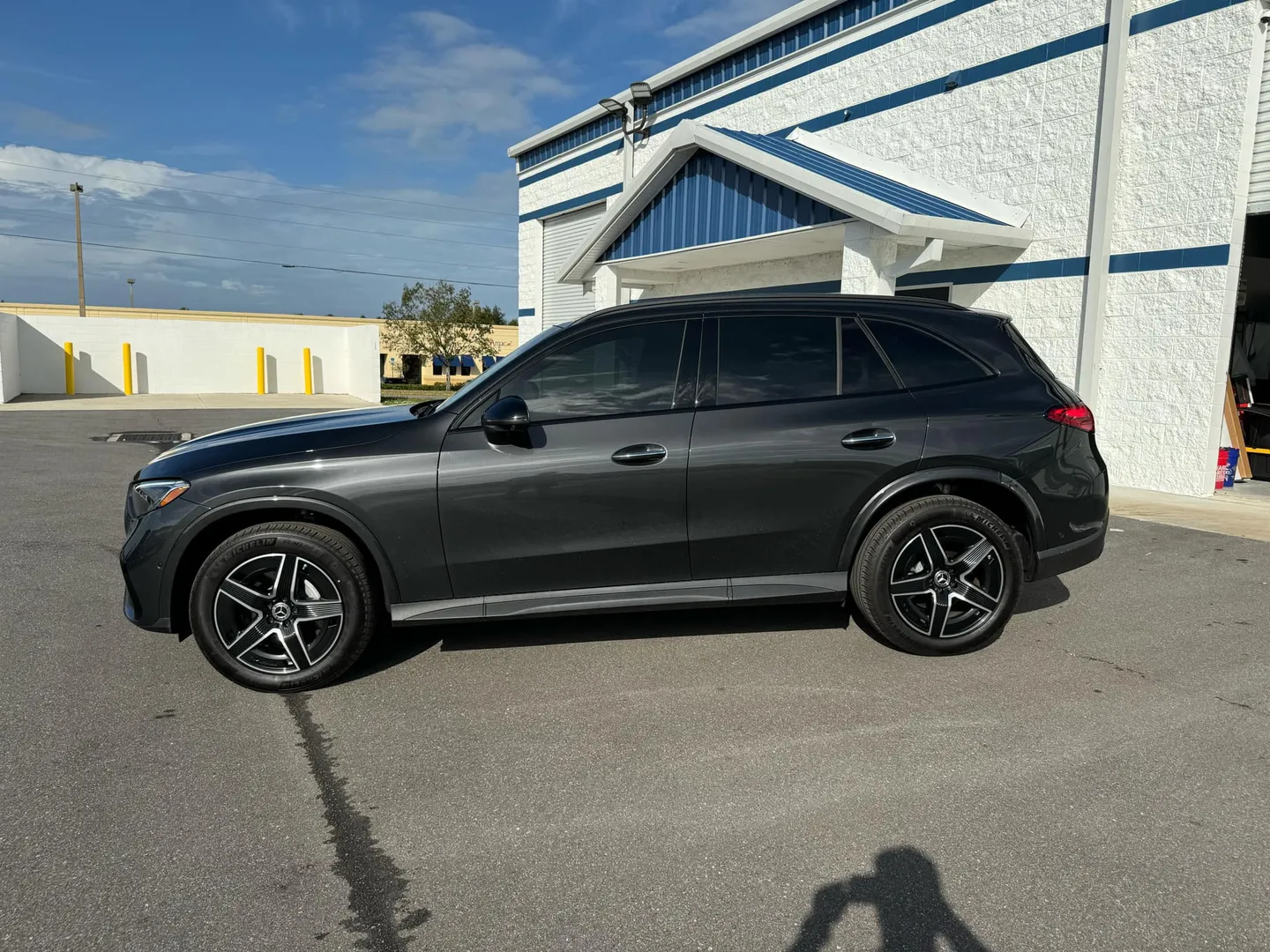
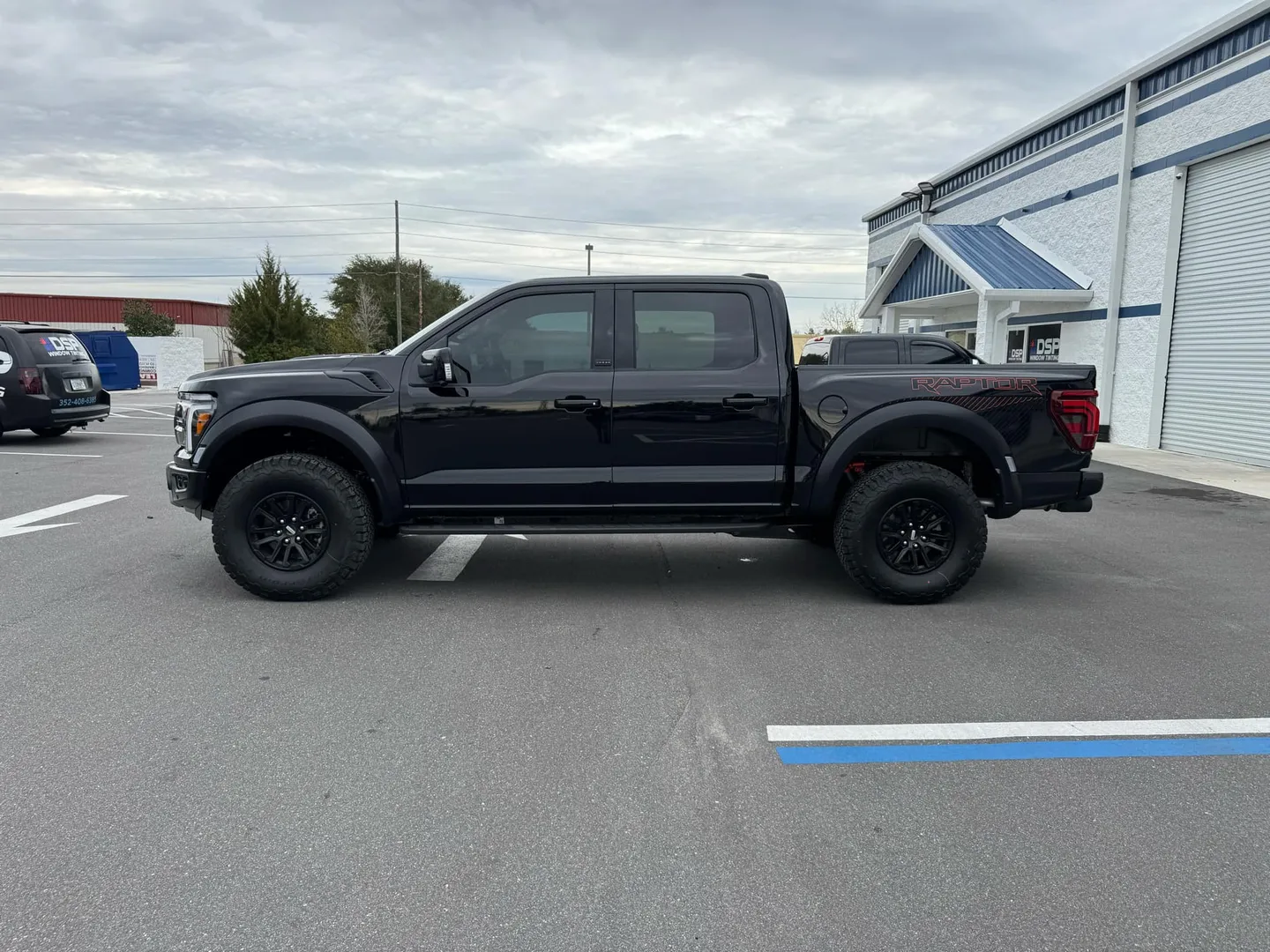
Vehicle windows face unique challenges from prolonged sun exposure during parking and driving. Tinted windows maintain cooler interiors when parked, protecting upholstery and electronics from heat damage. During driving, reduced glare improves safety and comfort for drivers and passengers. UV protection is particularly crucial in vehicles because side windows receive direct sun exposure during commutes. Auto Window Tint Shop professionals understand these specific automotive needs and recommend appropriate films that address them effectively while complying with local regulations regarding visible light transmission and reflectivity.
Residential and Commercial
Buildings present different considerations than vehicles, with larger glass surfaces and different usage patterns. Residential homes benefit from reduced cooling costs, furniture protection, and increased comfort in sun-exposed rooms. Commercial buildings achieve energy savings at larger scales, often recovering tinting costs within a few years through reduced HVAC expenses. Retail environments use tinting to protect merchandise from fading while maintaining comfortable shopping environments. Office buildings improve worker comfort and productivity by reducing glare and heat near windows. Each application requires appropriate film selection considering factors like building orientation, local climate, and specific performance priorities.
Conclusion
Window tinting represents a scientifically proven solution for reducing heat and UV exposure in vehicles and buildings. Through sophisticated materials and engineering, quality films intercept harmful solar radiation before it creates discomfort or damage. The benefits extend far beyond immediate comfort to include energy savings, interior preservation, health protection, and environmental advantages. Understanding how different film types achieve these results empowers informed decisions that match your specific needs and circumstances. Whether protecting your vehicle, home, or commercial space, window tinting delivers measurable improvements that enhance comfort, reduce costs, and safeguard your investments.
FAQs
How much heat can window tinting actually reduce?
Quality window films can reduce interior temperatures by 10 to 20 degrees Fahrenheit, with premium ceramic films achieving the highest performance. Surface temperatures on seats and dashboards decrease even more dramatically, sometimes by 30 to 40 degrees.
Does window tinting really block UV rays effectively?
Yes, quality window tinting films block up to 99% of harmful UV radiation, providing protection comparable to high-SPF sunscreen. This blocks both UVA and UVB rays that cause skin damage and material fading continuously whenever sunlight contacts the tinted glass.
Will window tinting help lower my energy bills?
Absolutely. Buildings typically see cooling cost reductions of 15 to 30 percent after professional window tinting installation. Vehicles experience improved fuel efficiency from reduced air conditioning demands, with savings accumulating over time to offset the initial investment.
How long does window tinting last before needing replacement?
Quality films professionally installed last 10 to 15 years or longer depending on film type and environmental conditions. Premium ceramic and carbon films outlast basic dyed films significantly, maintaining their effectiveness and appearance throughout their lifespan.
Can window tinting be applied to existing windows and vehicles?
Yes, window tinting films are designed for application to existing glass surfaces in vehicles, homes, and commercial buildings. Professional installation ensures proper adhesion, appearance, and performance without requiring window replacement or extensive modifications to existing structures.